
Health Care Costs Remain a Consumer Mystery
? |
|
?Open and transparent cost information will drive prices down.? -Bob Ehrlich |
Today consumers have a wealth of online price information on almost everything they buy. If you want the best price, a little research can get you the tools to negotiate well. You can compare costs across a multitude of suppliers and ask fellow consumers what they paid. We all know how many car and electronics comparison sites exist and most of us use them. So how come none of us really know the cost of our healthcare products and services?
Of course doctors and hospitals are reluctant to tell us. Even if they did, most of the cost is covered and many of us would not care what the bill is. We generally trust our doctors and would not comparison shop based on price. If we need to go to the hospital in a non-emergency, we go where our doctor or surgeon tells us to go. We eventually get a bill for some absurd amount but we only really care about the co-pay which might be 10-20%.
Looking to the future, costs will be controlled because they have to. No matter what system eventually dominates in America, either government or market forces will eventually bring costs down. To do that, cost information will need to be readily available and understandable to consumers. If we have a government run system, prices will be controlled by reducing services and capping reimbursement to
both providers and patients. In a private system, consumers will be paying higher co-pays and getting limited government support through tax credits.
If that happens, then we will see rampant price competition and transparent advertised prices for services. With less money to spend and the end of ?someone else? pays, consumers will comparison shop on price and quality. Web sites will be available to tell us doctor and hospital fees and consumer ratings for those providers. While some ratings are available now on some sites, they are few and prices are not readily available.
The era of consumer driven medicine is close. DTC has helped consumers hear about drugs and hospitals
advertise their specialties. To date, however, price remains a mystery to most of us. As we pay more of the bill directly, and we will, consumers will expect transparent price information before they are treated. We will find a lot of wiggle room for negotiation with doctors and hospitals as prices get published. As unseemly as it sounds, we will look for price/value and buy medical services like we do other things. It is already happening in dentistry. Ads are common telling us how much a crown or implant costs.
Health care has been very secretive in disclosing prices. We used not to care and left price negotiation to our payer insurance company. In a few years I expect that role will be taken up more by consumers who will demand to know what things costs and what cheaper alternatives exist. Co-pays will rise, perhaps from 20% to 50%, as employers shift the cost burden to employees. None of us will then be so willing to do anything our doctor tells us to do if it involves expensive tests or procedures. Price lists will be demanded and we will see more price competition as web sites show us where the same service can be done cheaper. Just as we do it now for cars and televisions, we will comparison shop for our medical services. Open and transparent cost information will drive prices down. That will be good for both our personal and government budgets.
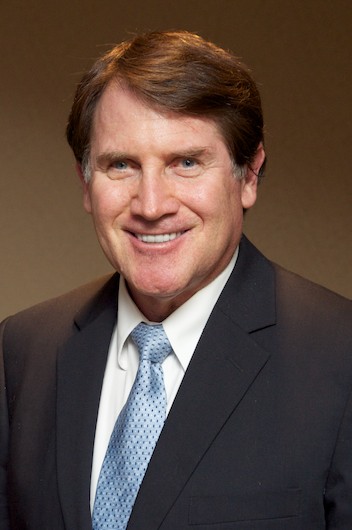
Bob Ehrlich, Chairman DTC Perspectives, Inc


Comments are closed.