
From ?4/22-24 we held our 14th DTC National in Washington. My general observations are as follows.
DTC is still young as an industry. While DTC is about 20 years old, starting with some heavy print in 1993 and exploding in 1997 with branded television, it is still a maturing field. This is particularly true in digital where we lag other industries in use. We have a lot to learn about patient engagement. We still are not doing our best to talk to patients once they become our customers. While we blame regulatory and legal issues, we can still do more to have real, useful patient centric conversations.
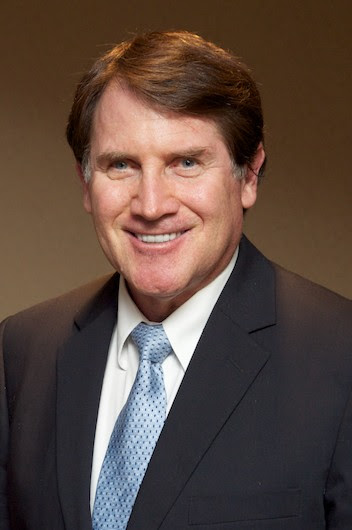
"There is still a lot to learn about DTC." - Bob Ehrlich
DTC seems to be a well-accepted part of the media mix by senior management. While DTC marketers still must justify every dollar spent, management accepts that DTC is a critical part of the marketing mix for a product launch. Most brands who want to be blockbusters do it, and many small brands are even doing it trying targeted DTC.
Television is still the medium that gets about 60% of the budget. The media futurists? musings about television?s declining use is not borne out by the facts. Yes there is time shifting, clutter, fast forwarding of ads, and an explosion of specialty television channels but mass ads still seem effective. There is no evidence that longer DTC ads hurt consumer attention. There is a lot of opportunity to better target local market ads, given the technology to micro target by household.
Digital opportunities abound, in search, mobile, banners, and other tactics. Use of these is still evolving and is growing albeit still below 10% of total spend. Our field is constrained by regulations never envisioning digital, and FDA seems reluctant to move to make it easier. The consensus was that marketers can work harder to convince their legal and regulatory groups to allow more. There is a lot of fuzzy guidance but FDA seems willing to be influenced by industry innovation.
Magazines are still being used heavily, as our newspapers. The issue for these media is the general trend of digital replacement of print titles. What is their future? There is also an issue of creating ads that stand out, given all the fair balance required which tends to clutter the page. It seems magazines need to do research to find ways to educate marketers how to make print better creatively. The FDA requirement for the side effects/ risks in print to coincide with television gives their revenue a needed boost.
One of the dynamic marketing opportunities seems to be at health provider or retail locations. These point of care opportunities are growing as this is a place where we see consolidation of companies trying to scale up. We also see technologies evolving as physicians switch to electronic records. Because consumers are paying more in co-pays and deductibles, we can expect a much more engaged consumer at physician offices and at pharmacy. Given the government effort to increase prevention education, point of care seems destined to grow dramatically.
Patient engagement and use of Big Data were discussed by many speakers. While we may be making progress understanding these opportunities, we still seem to be at the beginning of turning buzzwords into real programs. What is clear is that as we cost shift to consumers, pharmaceutical companies better justify branded drug price premiums to consumers. That means more added value, more direct understanding of patient needs. Comorbidity marketing is a big opportunity as patients with several diseases behave quite differently in response to marketing efforts.
Overall, I would say there is still a lot to learn about DTC. While it is doubtful we face any threat to ban DTC or tax it out of existence, we can still do a lot to optimize our efforts. We can make our creative much better, get more effectiveness out of our media plans, find better ways to evaluate our efforts, and develop the added value our patients expect of our premium priced products.
We are 20 years old but nowhere near understanding DTC potential. Generally we make a decent ad, buy efficiently, and can do basic ROI analysis. We are good at creating awareness and getting patients to ask their doctor about our drugs. We are way behind in other areas of consumer areas of engagement which leads to poor compliance and retention. Those are huge opportunities, and no one has figured itout yet.
I thank all our delegates, speakers, panelists, exhibitors and sponsors for making this a fun event in its 14th year.


Comments are closed.